Living with Beavers in the Poudre Watershed
Nature’s watershed engineers are back at work. Here’s how we can co-exist with them.
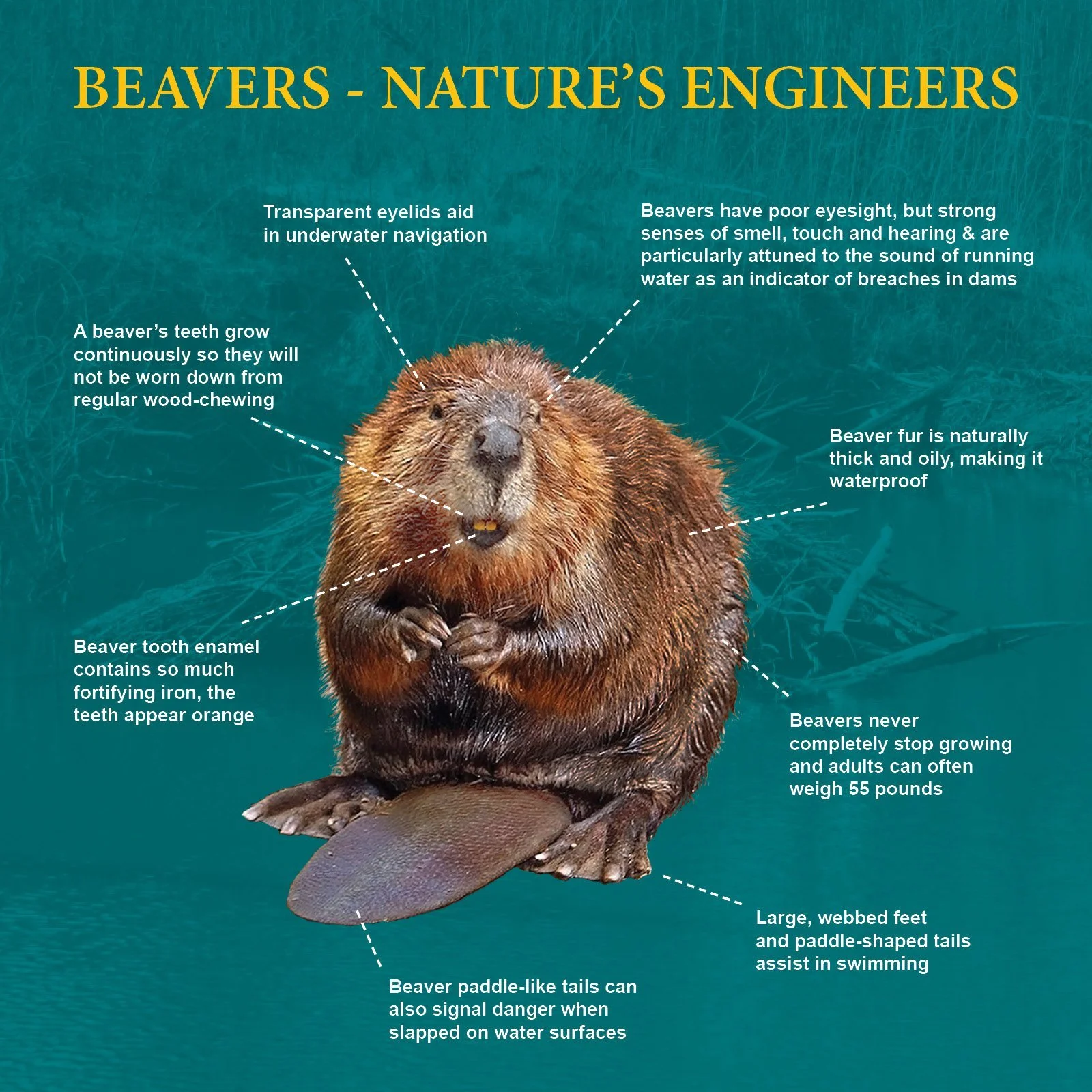
Beavers were once found throughout the Cache la Poudre River Watershed, building dams that shaped its valleys, meadows and wetlands for thousands of years. Today, as we work to restore a watershed changed by wildfire, drought and development, beavers are proving to be some of our most effective partners. Coexisting with them takes a little know-how, and this page is here to help.
Why beavers matter
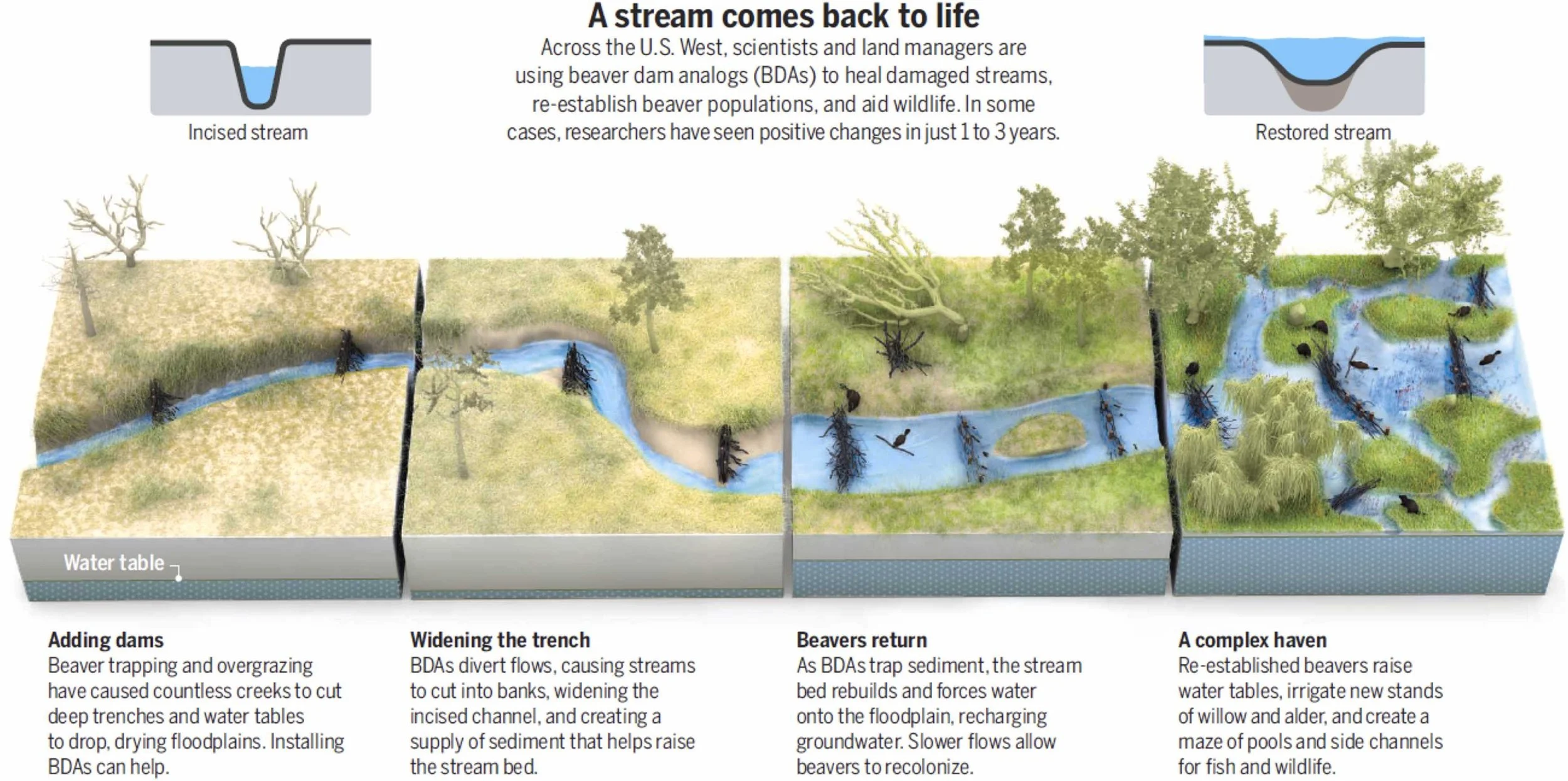
A single beaver family can transform a stream. Their dams slow water down and spread it across the floodplain, and that simple act has a ripple effect:
More water, held longer. Beaver ponds store water on the landscape and recharge groundwater, helping keep streams flowing and meadows green later into the dry season.
Cleaner water downstream. Slower water drops its sediment, trapping soil, ash and debris before they reach reservoirs and drinking water intakes.
Habitat for everything else. Beaver wetlands support fish, amphibians, songbirds, waterfowl, moose and countless insects. They’re among the most productive habitats in the Rocky Mountain West.
Resilience to drought and flood. By spreading water out and slowing it down, beaver-built wetlands soften the extremes of both.
When beavers and people overlap
Beavers don’t always choose the spots we’d prefer. They may flood a road, plug a culvert or cut down a favorite tree. The good news is that most conflicts have practical, long-lasting solutions that work better than removal. When beavers are removed, new ones often move into good habitat, and the same problem returns.
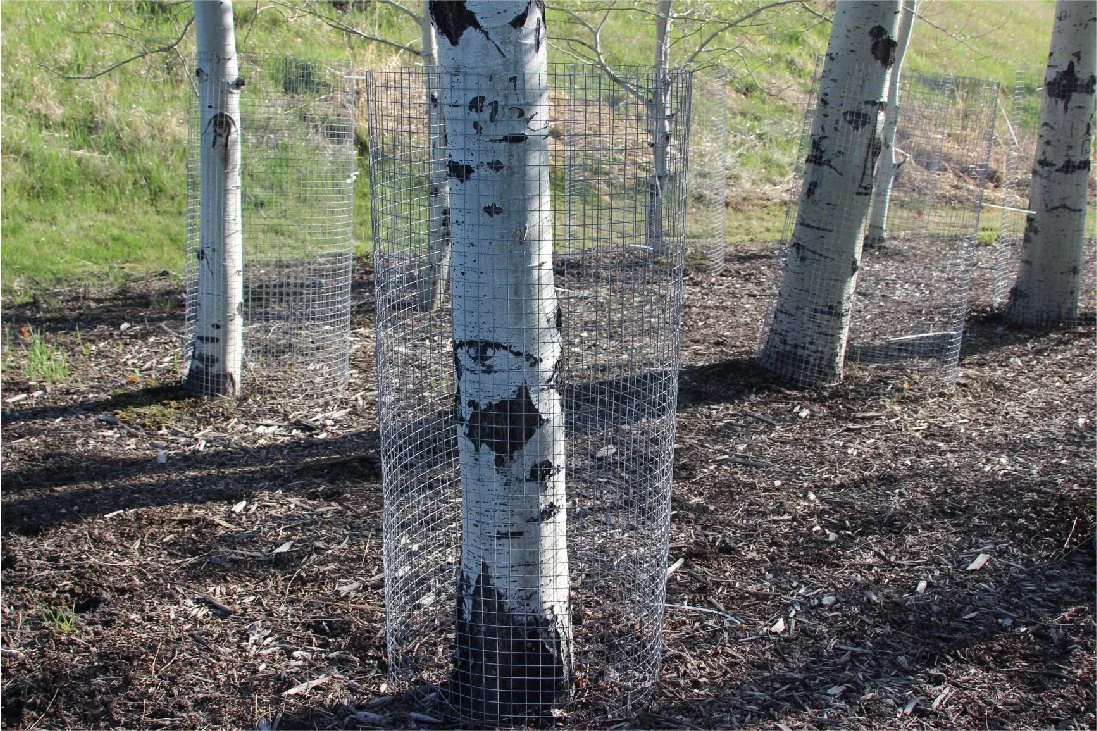
Protecting trees. Wrap trunks you want to keep with sturdy welded wire fencing, about 3 to 4 feet tall and loose enough to allow growth. You can also paint lower trunks with a mix of latex paint and masonry sand, which beavers dislike chewing.
Managing water levels. Flow devices (sometimes called pond levelers) run a pipe through a dam to keep water at a set level, so the pond stays but the flooding doesn’t.
Keeping culverts clear. Fencing installed around a culvert inlet discourages beavers from plugging it, protecting roads and driveways.
Planting for the future. Willows, aspen and cottonwoods along streambanks provide food and building material, and grow back quickly when beavers have room to work.
Before trapping, relocating or altering a dam, contact Colorado Parks and Wildlife. Beavers are a regulated species in Colorado, and CPW can explain what’s allowed and what options exist.
Beaver Co-Existence Strategies
Protecting Trees
According to Project Beaver, “To protect specific trees from being felled, there are two preferred methods. The first option is to build a cage around the tree with a sturdy frame and wire mesh. It is critical that the materials be sufficiently strong (no chicken wire—these eager engineers have iron-plated teeth!) and follow recognized designs to be effective. The second option is to create a mixture of latex paint and sand—you can even match the paint color to the tree’s bark—and paint it around the tree trunk annually. Beavers don’t like the gritty feeling on their mouth and will leave the trees alone. To enhance the success of these tactics, we can plant live willow and cottonwood stakes along the water’s edge to assure the beaver have plenty of their preferred food and building materials to work with.”
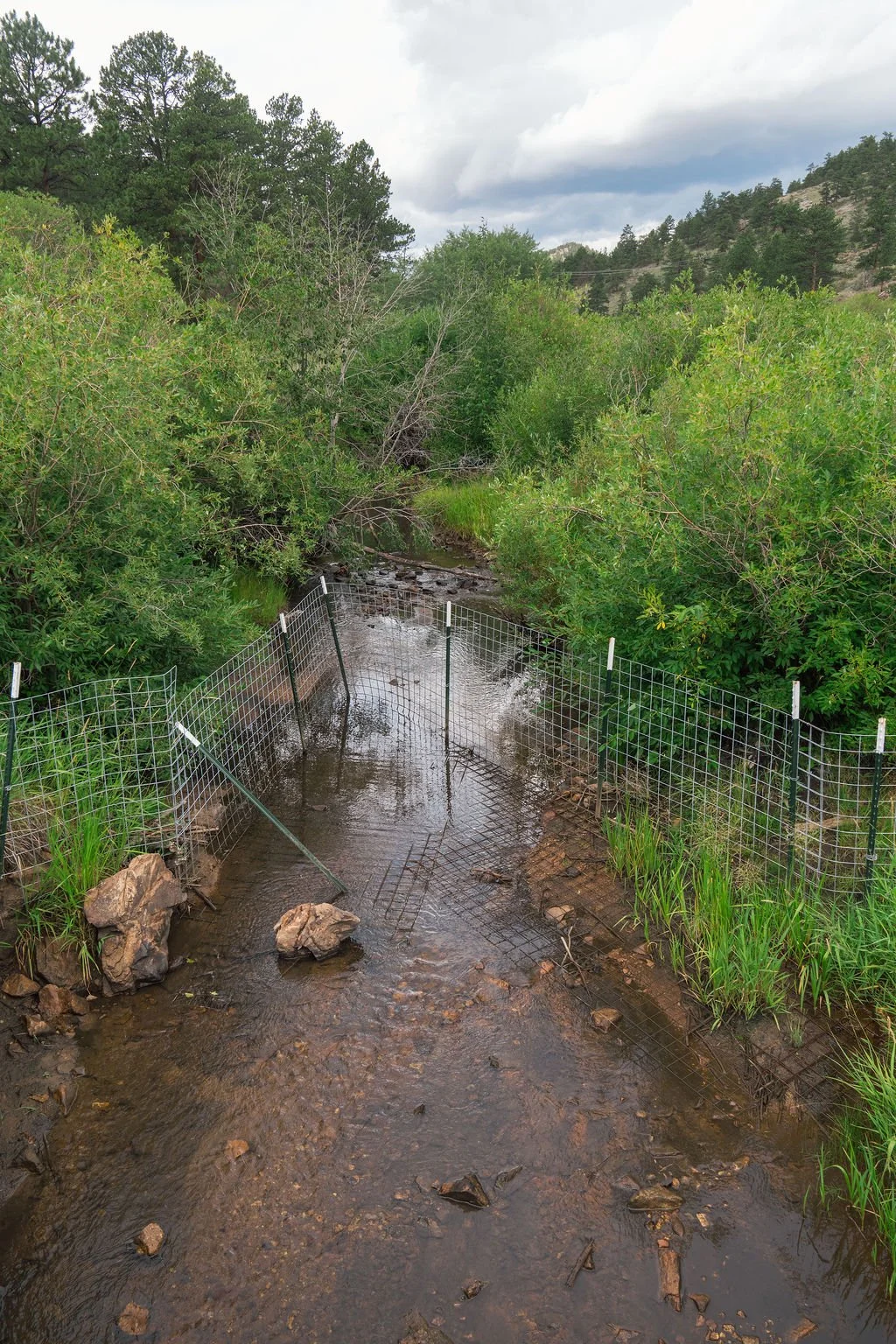
Culvert Protection
According to Project Beaver, “From a beaver’s perspective, a culvert is basically a hole in an otherwise almost perfect dam, so it is understandable they will try to plug it. When they do, flooding and expensive road damage can occur. A special kind of diversion fence can be built on the upstream side of a culvert to protect it from damming.”
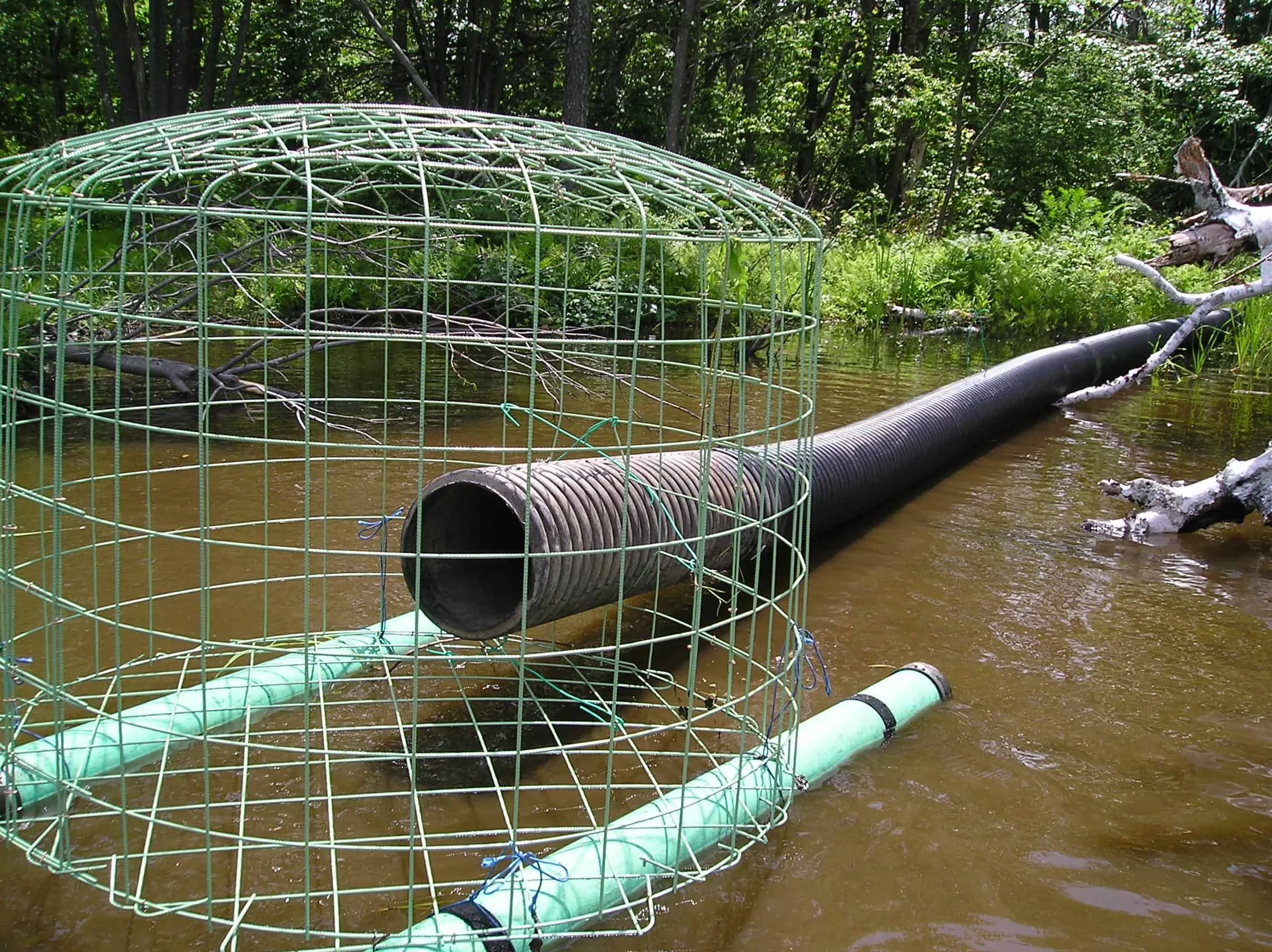
Pond Levelers
According to Project Beaver, “Beaver ponds are hot spots for fish and wildlife habitat, but sometimes there can be too much of a good thing. By adding more material to their dam over time, beavers can continue expanding their pond, thereby raising the water level and sometimes flooding nearby foundations, bike paths, or roadways. A special type of flow device can be installed that will hold the pond water level at a set height. Similar to the overflow drain in your bathtub, a pond leveler hides the leak in the middle of the beaver pond where they don’t think to look for it, while capping the water level at an acceptable maximum height that does not damage human infrastructure.”